Vehicle cabin noise rarely stays the same as a car accelerates. At lower speeds, you may mainly notice the engine, exhaust, or mechanical sounds, while higher speeds often introduce noticeable wind and tyre noise.
The reason is that different noise sources become more prominent as speed changes. A quiet engine at cruising speed may be less noticeable than air moving around the vehicle, while rough roads can suddenly make tyre noise much louder.
Modern vehicles are designed with insulation, aerodynamic shaping, sealed doors, carpets, and sound-absorbing materials to reduce unwanted noise. However, these features cannot completely eliminate sounds created by tyres, airflow, mechanical components, and vibrations.
Understanding these changes can help drivers identify whether a sound is normal or potentially concerning. A gradual increase in general road noise is usually expected, but unusual humming, rattling, clicking, or grinding deserves closer attention.
At lower speeds, engine noise can be one of the most obvious sounds inside the cabin. This is particularly noticeable when accelerating from a standstill, climbing hills, or pulling away quickly from traffic lights.
Engine revolutions increase when the vehicle accelerates, creating more mechanical noise and sometimes a deeper exhaust note. In vehicles with manual gearboxes, the selected gear can also significantly affect engine speed and perceived cabin noise.
Once the vehicle reaches a steady cruising speed, engine noise may become relatively consistent. However, pressing the accelerator harder can increase engine revolutions, causing the engine to become noticeably louder again inside the passenger compartment.
Electric vehicles behave differently because they lack traditional combustion engines. Their cabins can feel remarkably quiet at lower speeds, making tyre, suspension, and wind sounds more noticeable as driving speed gradually increases.
Tyres are another major source of cabin noise, particularly as vehicle speed rises. The contact between rubber and road creates vibrations that travel through the wheels, suspension, body structure, and eventually into the cabin.
Different tread patterns can produce different sounds. Aggressive tread designs designed for particular driving conditions may generate more road noise than tyres developed specifically for quiet motorway or everyday road driving.
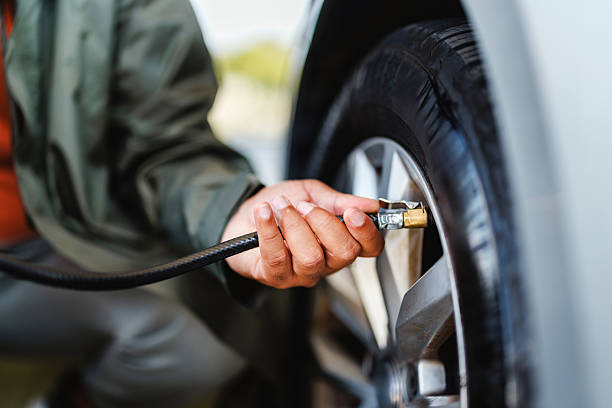
Tyre pressure can also influence the way noise is experienced. Incorrect pressure may change the tyre's contact with the road, potentially affecting vibration, handling, comfort, fuel efficiency, and the amount of noise reaching occupants.
As speed increases, tyres rotate faster and encounter the road surface more frequently. Consequently, a gentle hum at 30 mph can become a more noticeable continuous roar when travelling considerably faster.
Wind noise often becomes particularly noticeable when vehicles reach higher road speeds. Air flows around the bonnet, windscreen, mirrors, roof, doors, windows, and other body surfaces, creating turbulence that can enter the cabin.
The faster a vehicle travels, the greater the aerodynamic forces acting against it. Even a vehicle with excellent aerodynamic design can produce noticeable airflow sounds when travelling quickly on motorways or dual carriageways.
Door seals and window seals play an important role in controlling these sounds. If a seal becomes damaged, compressed, loose, or incorrectly positioned, wind noise may become considerably louder than expected.
A sudden increase in wind noise can therefore be worth investigating. If the sound appeared after a windscreen replacement, door repair, window adjustment, or accident, an improperly sealed area could potentially be responsible.
The road beneath a vehicle can dramatically change the amount of noise entering the cabin. Smooth tarmac generally produces less tyre and vibration noise, while coarse surfaces can create a louder, deeper road roar.
At the same speed, two roads can therefore sound completely different from inside the vehicle. Newly resurfaced roads may feel exceptionally quiet, whereas heavily textured surfaces can generate significant tyre noise.
Road imperfections can also create additional suspension sounds. Potholes, uneven surfaces, expansion joints, loose gravel, and damaged sections may produce individual impacts that are much louder than normal continuous road noise.
This is why drivers should consider road conditions when judging cabin noise. If a sound appears only on particular surfaces and disappears on smoother roads, the tyres and road interaction may explain it.
Vehicle shape has a significant influence on how much wind noise reaches occupants. Designers use aerodynamic bodywork to control airflow around mirrors, pillars, doors, roofs, and other exterior components.
A streamlined vehicle can move through the air more efficiently, potentially reducing turbulence and unwanted noise. However, small design features can still create audible sounds, especially when airflow becomes stronger at higher speeds.
Roof bars, bike racks, open windows, sunroofs, external accessories, and poorly fitted trim can also alter airflow. Something that sounds harmless at urban speeds may produce considerable wind noise when travelling faster.
This explains why cabin noise can change significantly without any mechanical fault. The vehicle itself may simply be interacting differently with surrounding airflow as speed increases.
Manufacturers use various materials to reduce the amount of external and mechanical noise entering the cabin. These can include acoustic glass, insulation, carpeting, door padding, underbody materials, and sound-deadening components.
Premium vehicles often place particular emphasis on acoustic comfort, but no vehicle can completely isolate occupants from the outside environment. Some road, tyre, suspension, and wind sounds will always remain noticeable.
The condition of insulation can also influence noise levels over time. Damaged trim, missing underbody panels, loose carpeting, or deteriorated seals may allow more sound and vibration to enter the passenger compartment.
Older vehicles can therefore feel noticeably noisier than they once did. Increased cabin noise does not automatically mean a serious mechanical problem, but changes from the vehicle's previous behaviour deserve attention.
Suspension components transfer forces between the wheels and vehicle body. When these components encounter bumps, uneven surfaces, or changing road conditions, vibrations can travel through the structure and become audible inside the cabin.
A healthy suspension system should normally operate without excessive knocking, clunking, or repeated rattling. If unusual sounds become more noticeable as speed increases, the source may require professional inspection.
Wheel bearings can also create a characteristic humming or droning sound that changes with vehicle speed. Unlike engine noise, this type of sound may continue even when the accelerator position changes.
Because several mechanical problems can produce similar sounds, identifying the exact source from inside the cabin can be difficult. A qualified technician can inspect the vehicle and determine whether components need attention.
Cabin noise does not always increase gradually. Sometimes a vehicle can remain relatively quiet until reaching a particular speed, after which a humming, buzzing, or vibration suddenly becomes obvious.
This can happen because certain components resonate at particular speeds. Vibrations from tyres, wheels, body panels, exhaust systems, or mechanical components can become amplified when conditions match a specific frequency.
Loose trim can behave similarly. A dashboard panel, door component, interior cover, or underbody section might remain quiet at one speed but begin vibrating when the vehicle reaches another.
A sudden speed-related noise should not automatically cause alarm, but it should be monitored. Noting when the sound begins, whether it changes while cornering, and whether acceleration affects it can provide useful diagnostic information.
Drivers can learn a great deal by carefully observing when the noise occurs. Notice whether it appears during acceleration, braking, cornering, cruising, rough roads, smooth roads, or when travelling at particular speeds.
It can also help to determine whether the sound changes when the engine speed changes. If the noise follows engine revolutions, the engine or drivetrain may deserve attention rather than the tyres or surrounding airflow.
If the sound remains closely connected to road speed, wheels, tyres, bearings, or aerodynamic factors may be more relevant. However, this is only a general guide and cannot replace proper mechanical diagnosis.
Keeping notes about new or worsening noises can make professional inspections more productive. Describing the exact speed, driving condition, sound type, and recent vehicle work can help technicians investigate efficiently.
Some increase in cabin noise with speed is completely normal. Every moving vehicle produces tyre, wind, mechanical, and vibration-related sounds, and these naturally become more noticeable under certain driving conditions.
However, unusual noises should not be ignored when they appear suddenly or become progressively louder. Grinding, harsh humming, repeated knocking, metallic rattling, or strong vibrations may indicate a component requiring inspection.
Drivers should also pay attention when noise is accompanied by steering changes, unusual tyre wear, braking problems, warning lights, or noticeable vibration through the steering wheel or floor.
Ultimately, understanding normal changes in vehicle cabin noise makes unusual changes easier to recognise. Paying attention to speed, road conditions, and the character of the sound can help identify problems before they become more expensive or disruptive.

This post has been authored and published by one of our premium contributors, who are experts in their fields. They bring high-quality, well-researched content that adds significant value to our platform.












Ride Connect is your online source for useful automobile guides, vehicle tips, maintenance advice, driving information, and automotive insights. Explore our latest content and stay connected with the world of automobiles.