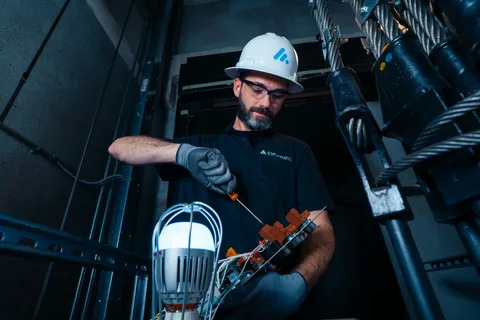
Regular inspection, careful servicing and reliable safety systems are key to elevator safety. Building owners are responsible for equipment to function properly and to comply with appropriate safety standards. A single piece or component failing to work properly can impact the whole system, so watch out for the doors, brakes, electrical controls, and emergency devices. Routine inspections help technicians spot any signs of wear, abnormal rotation or emerging problems before they pose a safety risk to passengers or would become problems for building operations.
Standard elevator checks include brake checks, floor levelling, controls, door sensors, interlocks, elevators, and alarms. These critical checks are all included in elevator maintenance services, although the frequency of the checks varies according to the design, age, usage and manufacturer's recommendations of the elevator. Technicians are able to evaluate parts and note deficiencies and make repairs if needed. Building managers to adhere to local regulations and to keep records of services. It becomes easier to plan maintenance and act quickly when safety concerns are identified by knowing what these checks are.
There are a number of systems that need to work in conjunction in elevators, which must function properly on each trip. If one of the components fails, it may cause a safety hazard or disruption of regular operation for passengers. Periodic checks enable technicians to detect worn parts, abnormal motion, electrical issues and other emerging issues. Thus, building managers can plan for the repair work, before it becomes a major problem.
It also helps ensure elevator reliability by employing preventive maintenance. All equipment is inspected, safety devices are tested and manufacturer's recommendations are adhered to. They can also review past service reports to determine if there are recurring problems. This will provide building managers with a better understanding of the condition of equipment and maintenance needs. But normal servicing is not a substitute for a legal service as required by local regulations.
Elevator doors are used often all day so you should be mindful of them and inspect them. The technicians look for problems in the door panels, tracks, rollers, sensors and locks. They ensure that doors open and close without any strange sounds and lags. They also test to ensure doors operate as expected with passenger detection systems.
The interlocks of doors are given special attention since they stop the elevator from moving if the doors are not in a safe condition. These mechanisms are tested following the elevator design and procedures. They also check for damage or misalignment of the edges of the door and sensors. A broken sensor or lock may be a big risk. As a result, it is necessary for the technicians to solve safety issues before the elevator can be returned to normal service.
The elevator's braking mechanism is important for regulating the movement of the elevator and stopping the elevator car. Brake assemblies are checked for wear, damage, contamination and improper adjustment. They also inspect pertinent mechanical parts for unusual noises or abnormal movements. These observations can help identify potential issues that need to be addressed or fixed.
For traction elevators, technicians inspect the elevator rope, pulley and other parts as required by the manufacturers. They search for visible signs of deterioration, wear patterns, corrosion and other damage signs. Checks are needed on elevated hydraulic components such as cylinders, valves and connections for hydraulic elevators. There are different inspection procedures depending on the type of elevator. Test and corrective actions are determined to be appropriate by qualified technicians for each system.
Passenger assistance must be available and equipment must be in place and working in case of emergency. Technicians run tests on emergency alarms and two-way communication systems, as per procedures. They validate that during an entrapment passengers will be able to reach out to the designated response team. They also test back-up lighting and relevant emergency power systems as installed.
Any emergency rescue equipment is attended to based on its design. Technicians make sure that only people whose permissions have been given are allowed to perform the proper rescue procedure. It is also important that building managers ensure that emergency contact lists and response plans are up to date. But, the rescue procedures are different for each installation. Staff should not use the same procedure for every manufacturer, but should use what is recommended by the manufacturer and the local requirements.
Electrical systems manage the elevator's motion, door operation, floor selection and safety. Technicians check protective devices, grounding, connections, and wiring and controllers. They check for loose connections, damaged insulation, overheating indications, and fault indicators. They also observe how the system reacts to elevator calls on the floors, its start and stop functions, etc.
Safety circuits and limit switches should be tested in accordance with the equipment specifications. These devices block the occurrence of unsafe operation under some conditions. Technicians can then check fault logs for any trends in electrical issues. They need to employ proper testing procedures and equipment. Do not enter control panels or tamper with electrical safety circuits, unless authorized to do so by a building engineer or fire marshal.
Elevators should stop where they are supposed to to minimize the risk of tripping. Technicians test levelling accuracy at various landings and check the car in normal operation. They also check for unusual stopping patterns, abnormal noises, excessive vibrations and unexpected movements. The following warning signs can be a sign of a sensor, control, braking, or other issues.
Technicians delve deeper into irregular levelling instead of the assumption that all problems are caused by the same. They can try the appropriate control settings and check related mechanical components. Corrective work is dependent on a design of equipment and the fault identified. Any changes in the elevator's performance that are apparent should be reported by building managers straight away. They also should limit access if a qualified individual determines that there is an immediate danger.
The frequency of maintenance will vary based on the type of elevator, the amount of elevator use, the operating environment and manufacturer recommendations. Buildings that are in heavy commercial use may need more frequent maintenance than a lighter-use building. The maintenance schedule may also be impacted by the age of the equipment and previous faults. So, building managers are advised to have a plan that has been documented and is based on the particular installation.
Routine maintenance visits are not in place for the purpose of formal safety inspections and specialist testing. Service visit could involve operating checks, lubrication, adjustments and component checks. Additional procedures may be necessary as a result of local authority or applicable procedures as part of a formal inspection. Building managers are advised to verify the pertinent schedule with a qualified elevator professional. They also need to review local requirements, as these differ from one jurisdiction to another as to inspection intervals.
Once a defect is found, technicians will try to determine the severity of the defect and record their findings. They are able to determine the component affected, make pertinent notes, and suggest corrective measures. Some minor maintenance problems might need a modification or the replacement of components. More testing or restrictions on elevator operation may be necessary in the case of serious faults.
An elevator should not be returned to service until an elevator technician has fixed safety related defects and verified it. The building manager is responsible for checking the service report and should make plans to take care of services that are still pending. They should also keep a record of inspection, testing and repair work and any future inspections. These records provide a good history of equipment conditions, and allow teams to identify any common issues.
A worthwhile inspection report includes the elevator, date of the inspection, inspector and items inspected. It notes any defects identified, work done, test results, and any recommendations that have not been taken up. Clear descriptions enable the building's manager to know what the status of the equipment is. They also serve as a reference to future maintenance visits.
The following information should be included in service records: Parts replaced, repeat problems and follow-up measures. Building managers can 'benchmark' reports, which allows them to see if there are any recurring problems or if repairs are becoming more frequent. They should keep formal inspection certificates and compliance documents where necessary. Maintenance planning and accountability are aided by accurate documentation. It also assists the experienced user to determine equipment history during an investigation of a new fault.
Building managers can have regular safety checks to know the state of the elevator and can deal with any faults with it in a timely fashion. Some areas to inspect are doors, brakes, mechanical components, electrical controls, emergency equipment, and levelling accuracy. Elevator maintenance services also include documenting the findings and confirming the work done when a correction is completed. Owners of the buildings should follow the manufacturer's instructions and local building codes. They can ensure the reliable operation of the elevator and reduce the risks of equipment by providing the necessary qualifications for service personnel and keeping good service records.
Technicians open and inspect doors, interlocks, brakes, electrical controls and emergency communications. They also evaluate mechanical condition, levelling accuracy and other safety aspects of the elevator design.
Regular maintenance can help to uncover emerging problems and mitigate risks associated with equipment failures. But no maintenance program can ensure that there are no accidents or that there are no possible failures in the program.
Elevator maintenance checking and technical testing should be done by qualified elevator technicians. If statutory inspections are required, authorised inspection personnel are required to carry out the inspections.
The emphasis of maintenance is on equipment condition, adjustments and servicing. Formal safety inspections include a review of particular safety needs and safety obligations that are different from jurisdiction to jurisdiction.

This post has been authored and published by one of our premium contributors, who are experts in their fields. They bring high-quality, well-researched content that adds significant value to our platform.









Ride Connect is your online source for useful automobile guides, vehicle tips, maintenance advice, driving information, and automotive insights. Explore our latest content and stay connected with the world of automobiles.