Tyre pressure can change the way your car feels within minutes of setting off. Even small differences can affect comfort, steering response, braking behaviour and overall stability.
For daily commuters, these changes are particularly noticeable because the same roads are travelled repeatedly. Correct pressure helps create a predictable driving experience in different conditions.
Your recommended pressure is not simply a number chosen for convenience. It is calculated for your vehicle, tyre size and expected load, making accuracy important for everyday driving.
When tyres are inflated correctly, they can absorb minor imperfections in the road more effectively. This helps reduce harshness from potholes, road joints, rough surfaces and uneven tarmac.
Overinflated tyres may feel noticeably firmer because there is less flexibility within the tyre sidewall. On a long commute, this extra harshness can become surprisingly tiring.
Underinflated tyres can also affect comfort, although the sensation may be different. The vehicle might feel softer while becoming less precise, particularly when changing direction or travelling through bends.
Overinflation can make the vehicle feel harder and less forgiving over poor road surfaces. The steering may also feel sharper, sometimes giving drivers a false impression of improved control.
Because an overinflated tyre has a smaller contact area with the road, grip characteristics can change. This may become more noticeable during wet weather or sudden manoeuvres.
Higher pressure can also increase the impact transferred through the suspension. On vehicles already equipped with firm suspension, the difference may be particularly obvious during regular urban journeys.
Underinflated tyres generally create more resistance as they roll along the road. Drivers may notice heavier steering, slower responses and a feeling that the car requires more effort.
The tyre sidewalls flex more when pressure is too low. Excessive flexing generates additional heat, which can contribute to faster wear and potentially create safety concerns.
Fuel consumption can also increase because the engine has to overcome greater rolling resistance. For commuters travelling frequently, consistently low tyre pressure can therefore become an unnecessary expense.
Tyre pressure has a direct relationship with steering feel. Correctly inflated tyres usually provide balanced responses, allowing the vehicle to follow steering inputs without feeling excessively heavy or unusually sensitive.
When pressure differs significantly between tyres, the car may not feel balanced. Drivers might notice pulling, uneven steering feedback or differences between left and right-hand turns.
These sensations can become more noticeable during motorway driving. A properly maintained tyre setup helps the car feel stable when changing lanes, negotiating bends or responding to traffic.
Braking performance depends on several factors, including tyre condition, road surface, vehicle weight and braking components. Tyre pressure is another important part because tyres provide the contact with the road.
Incorrect pressure can alter the tyre's contact characteristics. This may influence how confidently the vehicle responds during braking, especially when roads are wet, slippery or covered with debris.
For everyday drivers, the key point is consistency. Maintaining recommended pressure across all tyres helps create more predictable behaviour when slowing down normally or reacting to unexpected situations.
British roads regularly experience rain, making wet-weather performance relevant to almost every daily commute. Tyre pressure can influence how confidently tyres interact with wet surfaces.
Correct inflation supports the tyre's designed contact characteristics and allows its tread pattern to perform as intended. This becomes especially useful when water collects across the road.
Incorrect pressure does not automatically mean a driver will lose control. However, poor maintenance can reduce the consistency of handling, making regular pressure checks a sensible part of vehicle ownership.
Fuel efficiency is another area where tyre pressure can make a difference. Underinflated tyres create additional rolling resistance, meaning the engine generally needs more energy to move the vehicle.
One journey may not reveal a dramatic difference, but repeated commuting can make inefficient tyre pressure more significant. Drivers covering substantial weekly mileage may notice increased fuel spending over time.
Keeping tyres at their recommended pressures is therefore a simple maintenance habit. It can support efficient driving without requiring expensive modifications, specialist equipment or changes to your normal routine.
Tyre pressure can change as temperatures rise and fall. Cold mornings may produce different pressure readings compared with measurements taken after driving or during warmer weather.
This is why manufacturers provide recommended pressures based on cold tyres. Checking them after the vehicle has been parked for several hours generally provides a more useful reading.
Seasonal temperature changes can therefore make regular checks worthwhile. A pressure reading that seemed correct previously may require attention when weather conditions change significantly.
Many vehicles have different recommended pressures depending on how heavily they are loaded. Carrying several passengers and luggage can change the demands placed on the tyres.
The correct information is normally provided on the vehicle's information label, often located inside the driver's door area, fuel flap or another manufacturer-specified location.
Before a long journey with passengers or substantial luggage, checking the recommended loaded pressure can be worthwhile. It helps the tyres operate according to the vehicle manufacturer's specifications.
Incorrect pressure can contribute to uneven tyre wear. Underinflation may place greater stress on the tyre's outer areas, while excessive pressure can affect how the tread contacts the road.
Uneven wear may develop gradually, making it difficult to notice during short journeys. Looking at the tread and sidewalls regularly can help identify unusual patterns.
Tyre condition should never be judged by pressure alone. Drivers should also check tread depth, visible damage, cracks, bulges and objects lodged within the tyre.
A regular pressure check is one of the simplest maintenance tasks a driver can perform. Checking approximately once a month provides a useful routine for many everyday vehicles.
It is also sensible to check before long journeys, after carrying heavier loads and whenever the car's handling suddenly feels different from normal.
Modern vehicles may have tyre pressure monitoring systems, but these should not replace visual inspections and manual checks where appropriate. Monitoring systems can warn drivers without identifying every maintenance issue.
A smooth commute is not only about suspension, road quality or vehicle age. Tyre pressure quietly influences several aspects of the driving experience from the moment you leave home.
Correct pressure can help maintain balanced steering, comfortable ride quality, predictable handling and efficient rolling. These benefits become more valuable when a vehicle is driven frequently.
Small maintenance habits often have the greatest long-term impact because they prevent minor problems from becoming expensive or disruptive. Tyre pressure is a straightforward example of that principle.
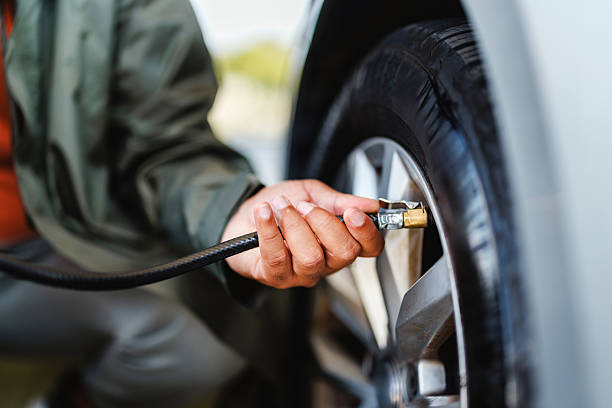
Before checking pressure, allow the tyres to become cold where possible. Remove the valve cap, use an accurate gauge and compare the reading with the manufacturer's recommendation.
If adjustment is necessary, add or release air carefully and check the pressure again. Replace the valve cap securely before moving on to the remaining tyres.
Finally, take a quick look around each tyre. If you notice significant damage, unusual wear, a persistent pressure loss or another concern, seek professional advice promptly.
Tyre pressure might seem like a minor maintenance detail, but it can influence comfort, steering, handling, braking, tyre wear and fuel efficiency during everyday driving.
For commuters, maintaining the correct pressure can make the vehicle feel more settled and predictable. It also supports sensible maintenance without requiring significant time or expense.
Checking pressures regularly, following manufacturer recommendations and responding to unusual changes can help keep your daily journeys safer, more comfortable and more efficient throughout the year.

This post has been authored and published by one of our premium contributors, who are experts in their fields. They bring high-quality, well-researched content that adds significant value to our platform.











Ride Connect is your online source for useful automobile guides, vehicle tips, maintenance advice, driving information, and automotive insights. Explore our latest content and stay connected with the world of automobiles.