A home can look perfectly maintained while still hiding problems behind walls, ceilings, floors, and other building components. Traditional visual inspections are essential for evaluating accessible areas, but some conditions are difficult to identify with the naked eye. This is where advanced inspection technology can provide valuable additional information.
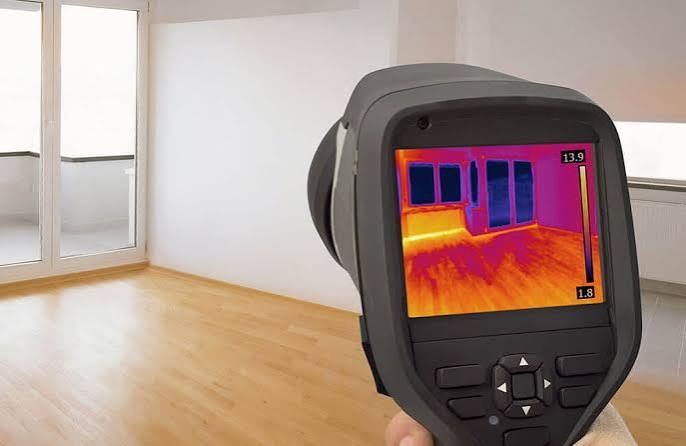
An infrared thermal imaging home inspection uses specialized cameras to identify temperature differences across surfaces. These thermal patterns can sometimes point to conditions that deserve closer investigation, making infrared technology a useful tool for modern home inspections in 2026.
Thermal imaging uses an infrared camera to detect differences in surface temperature and display those differences as a visual thermal image. Unlike a standard camera, a thermal camera does not simply record what an object looks like. It provides information about temperature patterns across the surface being observed.
Different areas of a wall, ceiling, electrical component, or mechanical system may have different thermal characteristics. When an unusual temperature pattern appears, an inspector can investigate the area further using appropriate inspection methods.
It is important to understand that a thermal image does not automatically prove that a defect exists. Instead, it can serve as an additional investigative tool that helps an inspector decide where closer examination may be appropriate.
One of the biggest advantages of infrared technology is its ability to reveal temperature variations that may not be obvious visually.
Depending on conditions, thermal imaging may help identify indications associated with:
The technology can be especially useful when combined with a thorough visual inspection. An inspector can compare thermal patterns with visible conditions and other available information before determining whether further evaluation is necessary.
Water intrusion is one of the most important issues homeowners want to identify early. Leaks may occur around roofs, plumbing systems, windows, ceilings, and exterior walls. Some moisture-related conditions may not be immediately visible.
Thermal imaging can sometimes help identify temperature patterns associated with moisture because wet materials can behave differently from surrounding dry materials. However, thermal cameras do not directly detect water or mold.
When an unusual thermal pattern is observed, additional investigation may be required to determine the actual cause. This distinction is important because a temperature difference can have multiple explanations.
For homeowners, the value of thermal technology lies in helping identify areas that deserve attention rather than providing an automatic diagnosis.
Energy efficiency has become an increasingly important consideration for homeowners. Inconsistent insulation or air leakage can contribute to uneven indoor temperatures and increased heating or cooling demands.
During suitable conditions, thermal imaging may reveal temperature differences across walls, ceilings, windows, doors, and other areas of the building envelope.
For example, an unusual pattern around a window could encourage an inspector to investigate the surrounding area more closely. Similarly, temperature differences across a ceiling may indicate an area where insulation conditions should be examined.
These findings can give homeowners useful information for future maintenance and energy-efficiency improvements.
Electrical systems can generate heat during normal operation. Unusual temperature differences among similar components may sometimes indicate a condition that deserves further attention.
Thermal imaging can help an inspector identify abnormal heat patterns in accessible electrical components. If a concerning pattern is discovered, the appropriate next step may involve evaluation by a qualified electrician.
Homeowners should never attempt to open electrical panels or handle potentially hazardous components simply because a thermal image shows an unusual reading. Thermal imaging is an inspection aid, not a substitute for appropriate electrical expertise.
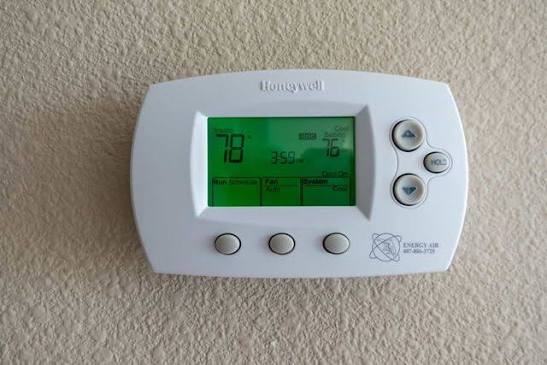
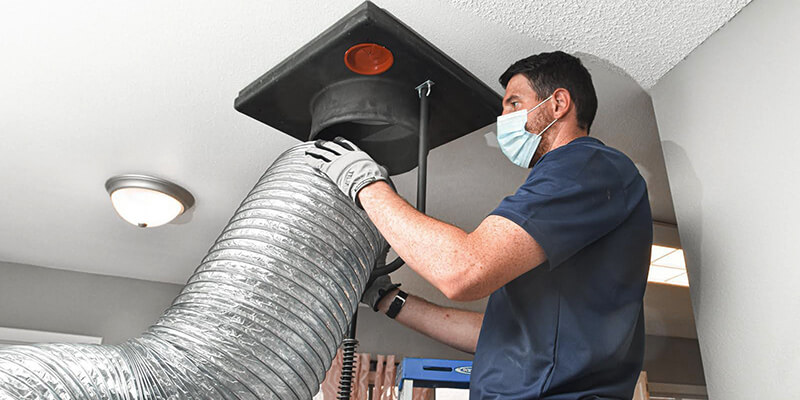
Heating and cooling systems are another area where thermal technology can provide useful information. Differences in supply and return temperatures, airflow patterns, and surface temperatures may help an inspector identify areas for additional investigation.
For Florida properties, HVAC performance is particularly important because air-conditioning systems operate heavily during warm and humid conditions.
Thermal imaging may help reveal temperature inconsistencies that are difficult to recognize during a quick visual assessment. However, a complete HVAC diagnosis may require specialized testing and evaluation by an appropriately qualified technician.
An important consideration with thermal imaging is that environmental conditions can influence results. Outdoor temperature, sunlight, wind, humidity, HVAC operation, building materials, and recent weather conditions can all affect surface temperatures.
This means a thermal camera should not be treated as a magic device that automatically identifies every hidden defect.
A trained inspector interprets thermal patterns in context. When an unusual image appears, the inspector can combine it with visual observations and other inspection methods to determine whether further investigation is warranted.
For homebuyers, infrared thermal imaging home inspection technology can provide another layer of information during property due diligence. Buyers may gain useful insight into areas that deserve closer examination before completing a purchase.
Sellers can also benefit from advanced inspection tools. Identifying potential concerns before listing may provide an opportunity to investigate issues and address appropriate repairs before negotiations begin.
Thermal imaging should not replace a comprehensive property inspection. Instead, it can complement traditional inspection methods and help inspectors investigate conditions more efficiently.
Technology continues to change the way homeowners understand and maintain their properties. Thermal cameras are increasingly useful because they can provide information that ordinary visual observation cannot always capture.
An infrared thermal imaging home inspection can help identify unusual temperature patterns that may point toward moisture concerns, insulation inconsistencies, HVAC issues, air leakage, or electrical conditions requiring additional investigation.
For homeowners in 2026, the biggest advantage is not simply having access to advanced equipment. It is having that technology interpreted correctly by a qualified professional.
Ultimately, an infrared thermal imaging home inspection should be viewed as an investigative tool that works alongside traditional inspection practices. When used appropriately, it can help uncover areas that deserve attention, support better maintenance decisions, and give buyers and homeowners a more complete understanding of a property's observable condition.
As homes become more energy-efficient, technologically advanced, and complex, combining experienced inspection practices with modern tools can be a smart way to stay proactive. The goal is simple: identify potential concerns earlier, investigate them appropriately, and make informed decisions about one of the most valuable investments a person can own.

This post has been authored and published by one of our premium contributors, who are experts in their fields. They bring high-quality, well-researched content that adds significant value to our platform.








Ride Connect is your online source for useful automobile guides, vehicle tips, maintenance advice, driving information, and automotive insights. Explore our latest content and stay connected with the world of automobiles.